


Here’s the uncomfortable truth about most branded merchandise: it ends up in a donate pile. Not because people hate your brand. Because the product wasn’t good enough to keep — and slapping a logo on it didn’t help.
The logo-first approach has been the default for decades. Pick a product, add a logo, order in bulk, done. It feels efficient. It rarely works.
The problem with leading with the logo
When a logo is the starting point, the product becomes an afterthought. You end up optimizing for imprint area instead of usefulness. You choose the tumbler with the biggest flat surface, not the one anyone actually wants to drink from. You pick the tote that holds the most stuff, not the one with any aesthetic appeal.
The result? Merch that signals effort without creating impact. Recipients notice. They just don’t say anything.
Flip the brief
Start with your recipient instead. Ask: what does this person actually use every day? What would make them pause when they open a package? What would they pick up off a desk and say “where’d you get that?”
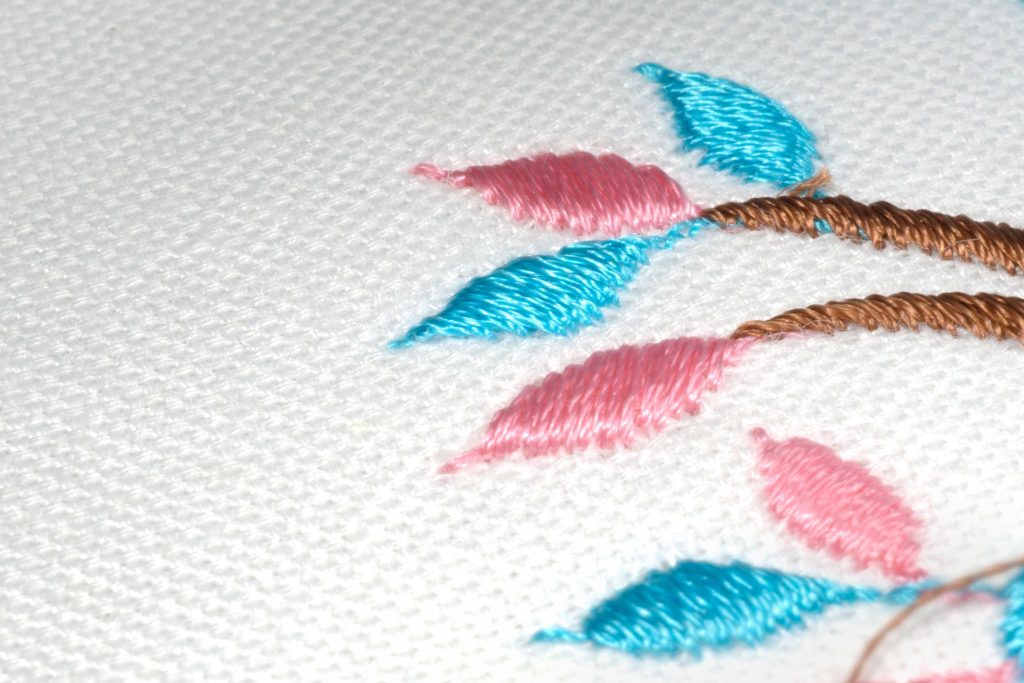
When you answer those questions first, the product almost selects itself. The logo placement — size, position, technique — becomes the last decision, not the first. And suddenly you’re asking better questions: tone-on-tone embroidery instead of screen print? Debossed instead of foil? A small wordmark on the sleeve instead of a chest logo the size of a dinner plate?
These aren’t small details. They’re the difference between merch that gets worn and merch that gets donated.
| Logo First | Recipient First |
| Biggest imprint area | Best product for this person |
| Bulk pricing drives choice | Quality drives choice |
| Max logo size | Considered placement |
| Donate pile | Daily use |
What subtle branding actually means
It doesn’t mean hiding your brand. It means respecting the product enough to let it exist as a thing people want first, and a branded object second. The strongest brands — the ones whose merch people actually seek out — figured this out a long time ago. Their logo placement is considered, not maximized.
When merch looks good first and branded second, it gets used more. And used merch is the whole point — every use is an impression you didn’t have to buy.
The payoff
A well-chosen, well-decorated product that someone keeps for two years and uses three times a week is worth more than a hundred cheap items that go straight to Goodwill. Fewer things, better things, placed thoughtfully — that’s the brief that works.
We push back on “just put the logo on it” for every project we take on. Not to be difficult, but because you hired us to get it right.
If you’ve got a gifting moment coming up and want to think it through properly, start here. We’ll ask the right questions before we ever talk products.